
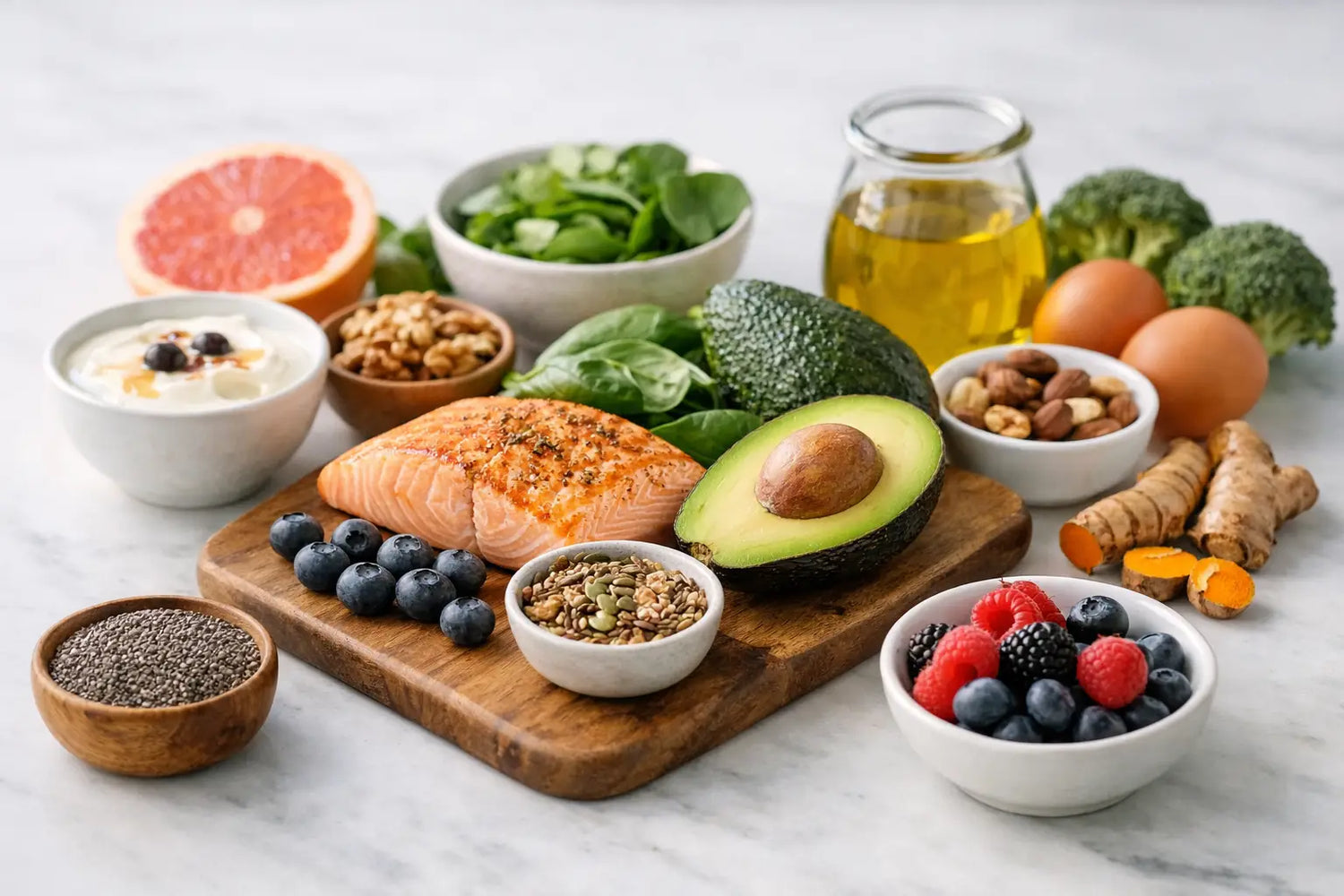
A 3 p.m. crash, late-night sugar cravings, breakouts that seem to appear on schedule, and a cycle that leaves you feeling unlike yourself can make food feel confusing. If you are wondering what to eat for hormone balance, start with a more reassuring goal: create meals that help your body feel steadily fueled, not perfectly controlled.
Hormones respond to much more than food. Sleep, stress, movement, medications, life stage, and underlying health conditions all matter. But daily meals can support steadier blood sugar, digestion, energy, and the nutrients your body uses to make and regulate hormones. You do not need a complicated cleanse or a pantry full of powders. You need a few repeatable anchors that work on your busiest days.
What to Eat for Hormone Balance: Start With a Steady Plate
The most useful hormone-supportive meal is usually one that keeps you full, focused, and energized for a few hours. That means pairing protein, fiber-rich carbohydrates, healthy fats, and color from plants instead of eating one of those things on its own.
Protein is the anchor. It supports muscle, helps you stay satisfied, and can soften the energy roller coaster that comes from a carb-heavy breakfast or snack. Think eggs, Greek yogurt, cottage cheese, chicken, turkey, fish, tofu, tempeh, edamame, lentils, beans, or a protein smoothie when sitting down for a meal is not realistic.
Fiber helps feed beneficial gut bacteria, supports regular bowel movements, and slows down digestion enough to promote steadier energy. Oats, berries, pears, beans, lentils, quinoa, whole-grain bread, leafy greens, broccoli, sweet potatoes, and chia seeds are practical options. If your current diet is low in fiber, increase it gradually and drink enough water. Going from very little fiber to a giant salad overnight can leave you more bloated, not more balanced.
Healthy fats matter, too. Hormones are made from fats and cholesterol, and dietary fat also helps you absorb fat-soluble vitamins. Add avocado, olive oil, nuts, seeds, nut butter, olives, eggs, or salmon to your regular rotation. The goal is not to fear fat or pour it onto everything. It is to stop building meals that leave it out entirely.
Plants bring vitamins, minerals, and protective compounds that support overall metabolic and reproductive health. Aim for color where you can, but skip the pressure to make every plate picture-perfect. Frozen vegetables count. Bagged salad counts. Salsa, tomato sauce, and a handful of berries count.
A simple formula for real life
At breakfast, try Greek yogurt with berries, chia seeds, and walnuts, or eggs with whole-grain toast and fruit. At lunch, build a grain bowl with chicken or chickpeas, greens, roasted vegetables, and olive-oil-based dressing. At dinner, pair salmon, tofu, or turkey with sweet potato and broccoli.
Even convenience meals can follow the same idea. Add pre-cooked chicken to a soup and serve it with whole-grain crackers. Pair a frozen burrito with avocado and a side of fruit. Add edamame to takeout rice and vegetables. The best meal is often the one you can actually make when your brain is full and your time is short.
Build Meals Around Blood Sugar Stability
Blood sugar is not something only people with diabetes need to think about. When you regularly eat too little, skip meals, or rely on foods that digest very quickly, you may notice irritability, shakiness, headaches, fatigue, intense hunger, or a harder-to-manage sweet tooth later in the day.
A hormone-friendly approach is not about banning carbs. Carbohydrates are useful fuel, especially for active people, people with demanding jobs, and anyone who wants reliable energy. The shift is to choose more fiber-rich carbohydrates and pair them with protein and fat.
For example, an apple can be a great snack, but an apple with peanut butter or cheese will usually last longer. Toast alone may lead to hunger an hour later, while toast with eggs and avocado is more grounding. A bowl of pasta can absolutely fit into dinner, especially when you add a protein, vegetables, and a satisfying sauce.
Long stretches without food are not automatically harmful, and some people genuinely feel fine with fewer meals. But if fasting leaves you wired, ravenous, tired, or prone to overeating at night, it may not be the reset your body needs right now. Consistency tends to beat intensity.
Prioritize Key Nutrients Without Chasing Perfection
Certain nutrients come up often in conversations about menstrual health, thyroid function, stress, and energy. Food is a helpful first place to get them, though a clinician may recommend testing or supplements based on your individual needs.
Iron-rich foods can be especially relevant for people with heavy periods or fatigue. Include beef, lentils, beans, spinach, pumpkin seeds, fortified cereal, or shellfish if you eat it. Pair plant-based iron sources with vitamin C-rich foods such as citrus, berries, bell peppers, or tomatoes to support absorption.
Magnesium supports many body processes, including muscle and nerve function. You can find it in pumpkin seeds, almonds, cashews, black beans, spinach, dark chocolate, and whole grains. A square or two of dark chocolate after dinner can be part of a nourishing routine, not a wellness failure.
Omega-3 fats are found in salmon, sardines, trout, chia seeds, flaxseed, walnuts, and algae-based options. Fatty fish once or twice a week is a practical target for many people, but plant-based choices still bring value if fish is not your thing.
Iodine, selenium, zinc, vitamin D, and B vitamins also play roles in health that can affect how you feel day to day. This is where extreme restriction can backfire. Cutting out dairy, gluten, meat, or entire food groups without a medical reason can make balanced nutrition harder, not easier. If a food clearly bothers your digestion or you have an allergy, that is different. Personalization matters.
Foods That Can Make You Feel Less Steady
No single food “ruins” your hormones. Still, patterns can make symptoms harder to manage. Frequent meals built mostly around refined carbs, added sugar, or alcohol may lead to more energy swings for some people. So can relying on caffeine to replace breakfast, especially when stress and sleep are already shaky.
You do not need to quit coffee to support hormone health. Try having it after or alongside food, and notice how your body responds. If you are anxious, jittery, or crashing later, reducing the dose or adding breakfast may make a meaningful difference.
Alcohol is another individual choice. Some people notice poorer sleep, increased anxiety, digestive upset, or worse premenstrual symptoms after drinking. Rather than making a dramatic rule, experiment with alcohol-free evenings and pay attention to your sleep and mood the next day.
Highly processed foods are also not off-limits. They are often convenient, affordable, and sometimes exactly what gets dinner on the table. The practical move is addition: add protein, fiber, or produce around them when possible. That is more sustainable than trying to eat “clean” until life gets busy again.
Create a Hormone-Supportive Week, Not a Perfect Day
A few prepared basics can lower the decision fatigue that makes balanced eating feel impossible. Keep easy proteins such as eggs, rotisserie chicken, tuna, tofu, Greek yogurt, or beans available. Stock a few reliable fiber sources, including frozen vegetables, fruit, oats, microwavable grains, and whole-grain bread. Then choose one or two fats you enjoy, like olive oil, avocado, nuts, or cheese.
If your mornings are chaotic, choose a breakfast you can repeat. If afternoons are when cravings hit, plan a snack before you are starving. If dinner is the only meal your household eats together, make that the meal where you build the full plate and let the rest be flexible.
Symptoms such as missed periods, very heavy bleeding, severe acne, new facial hair growth, persistent fatigue, significant weight changes, or fertility concerns deserve medical support. Nutrition can be powerful, but it cannot diagnose or treat conditions such as PCOS, thyroid disease, endometriosis, or diabetes on its own.
Your next meal does not need to fix everything. Let it be a small vote for steadier energy: add the egg, choose the beans, keep fruit in reach, and make your routine a little easier to trust.

Leave a comment
This site is protected by hCaptcha and the hCaptcha Privacy Policy and Terms of Service apply.