

Your skin can change before you fully realize perimenopause has started. One month it feels oilier, the next it is suddenly dry, reactive, or looking flatter than usual. That is why perimenopause nutrition for better skin matters - not as a perfection plan, but as a practical way to support hormones, reduce inflammation, and help your skin feel more like itself again.
Skin changes in perimenopause are not random. Estrogen starts fluctuating, and that can affect collagen production, hydration, skin thickness, wound healing, and even how much oil your skin makes. Add in stress, sleep disruption, blood sugar swings, and a packed schedule, and it makes sense that your complexion may look tired even when your skincare routine has not changed.
The good news is that food can become one of the simplest ways to create a steadying effect. You do not need a complicated hormone menu or a cabinet full of powders. What usually works best is a consistent, realistic reset built around protein, healthy fats, fiber, hydration, and a few key nutrients that support skin from the inside out.
Why perimenopause can show up on your skin first
When estrogen fluctuates, skin tends to lose some of its usual bounce and moisture. Collagen production can slow, and the skin barrier may become more fragile. That can mean dryness, more noticeable fine lines, dullness, or increased sensitivity to products that never used to bother you.
For some women, the opposite happens too. Androgen shifts can contribute to breakouts, especially around the jawline and chin. If stress is high, cortisol can make things worse by increasing inflammation and interfering with sleep, blood sugar balance, and repair.
This is where nutrition becomes useful. It cannot stop hormonal change, but it can help reduce the collateral damage. Think of it as supporting the systems behind your skin - hormones, blood sugar, gut health, and inflammation levels.
The real goal of perimenopause nutrition for better skin
The goal is not to eat perfectly. The goal is to create enough daily support that your skin has what it needs to stay hydrated, repair itself, and handle hormonal shifts with less drama.
That usually means building meals that keep you full, keep energy steadier, and deliver nutrients your skin depends on. If your current pattern is coffee, skipped lunch, something sweet at 4 p.m., and a rushed dinner, your skin is often reflecting that stress load as much as your hormones.
A better approach is simple: anchor each meal with protein, add color-rich plants, include healthy fats, and make hydration easier than dehydration. This sounds basic because it is. Basic works when you actually do it.
The skin-supportive foods worth prioritizing
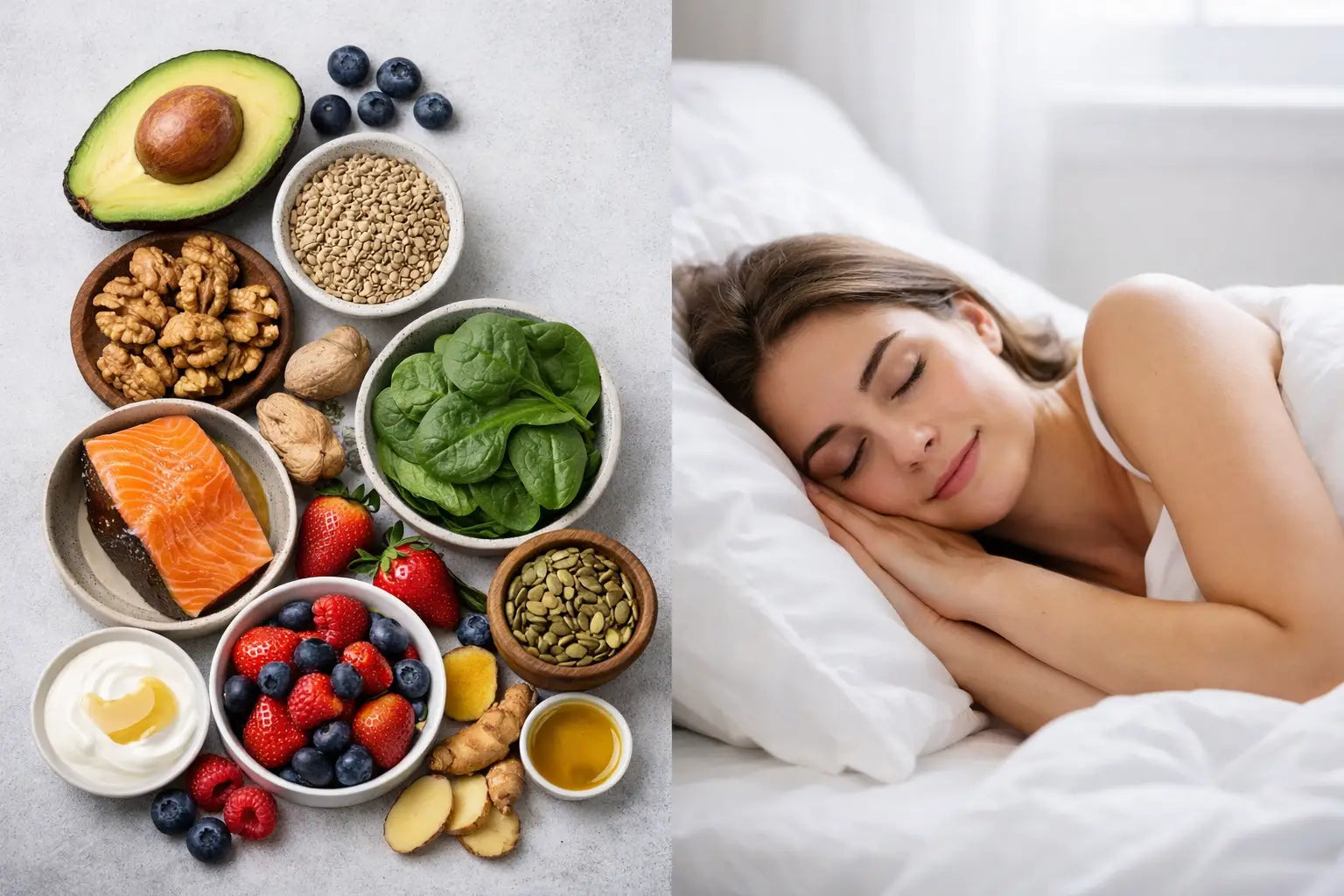
Protein matters more than many women realize. Your skin relies on amino acids for repair, structure, and collagen formation. If you are under-eating protein, especially during a high-stress season, your skin can look more depleted. Eggs, Greek yogurt, cottage cheese, chicken, turkey, tofu, edamame, lentils, salmon, and sardines are all practical options. You do not need to force huge portions, but getting a solid amount at breakfast and lunch can make a visible difference over time.
Healthy fats are another major piece. Skin dryness often feels worse when fat intake is too low. Omega-3 fats, in particular, may help support the skin barrier and calm inflammation. Fatty fish, chia seeds, flaxseeds, walnuts, avocado, and extra-virgin olive oil are useful staples. If your meals are mostly low-fat convenience foods, this is a smart place to upgrade.
Colorful produce supports skin in a quieter but important way. Vitamin C helps with collagen production. Beta-carotene supports skin health. Polyphenols and antioxidants help buffer oxidative stress, which can accelerate visible skin aging. Berries, citrus, kiwi, bell peppers, tomatoes, leafy greens, carrots, sweet potatoes, and cruciferous vegetables all earn a place here. You do not need a perfect rainbow every day. Aim for variety across the week.
Fiber deserves more credit too. It supports gut health, helps with estrogen metabolism, and can improve blood sugar stability, which matters for both inflammation and breakouts. Beans, oats, chia, ground flax, berries, pears, vegetables, and whole grains can all help. If your digestion is off, your skin sometimes tells that story first.
Nutrients that make a difference
A few nutrients tend to come up again and again when skin changes during perimenopause. Vitamin C supports collagen. Zinc may help with healing and breakouts. Selenium helps protect against oxidative stress. Vitamin E supports skin barrier health. Protein and essential fats provide the building blocks your skin needs daily.
Phytoestrogen-rich foods can also be helpful for some women. These include soy foods like tofu, tempeh, and edamame, as well as flaxseeds. They do not work like estrogen therapy, and results vary, but they may offer gentle support for some people during hormone fluctuations.
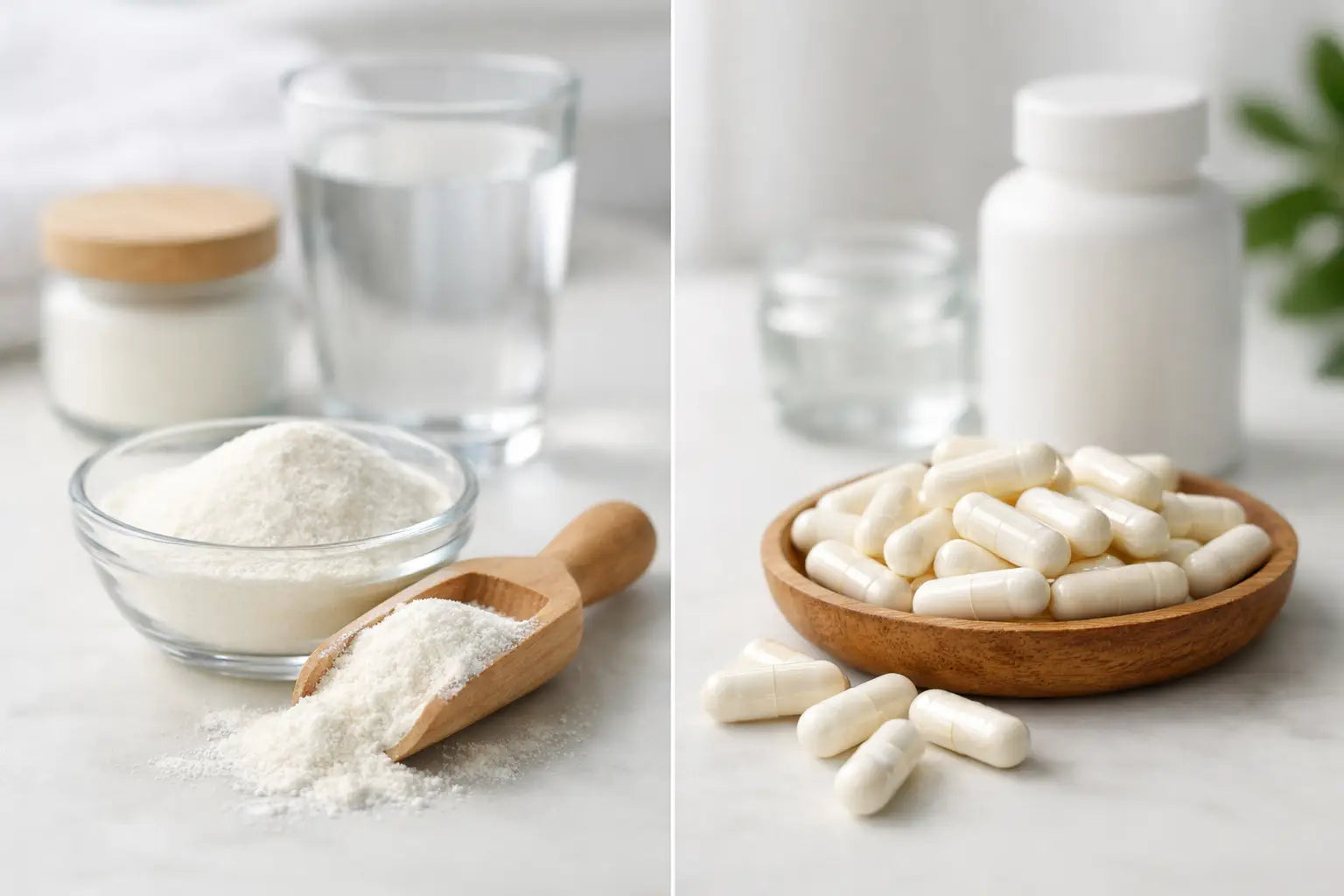
Collagen supplements get a lot of attention. They may help some women with skin elasticity and hydration, but they are not a magic fix. If you use one, it still works best alongside enough total protein and vitamin C from food. Supplements can support a strong routine, but they cannot carry a weak one.
What can make skin look worse
You do not need a fear-based food list, but some patterns tend to show up when skin is struggling. Highly processed, high-sugar eating can increase blood sugar swings and inflammation. Alcohol can worsen dehydration, flushing, poor sleep, and next-day dullness. Too much sodium without enough water can leave skin looking puffy or tired.
That does not mean dessert is off-limits or that you can never have a drink. It means noticing your own threshold. For one person, nightly wine is the bigger issue. For another, it is undereating all day and then crashing into snacks at night. Better skin usually comes from more consistency, not stricter rules.
A simple daily rhythm that supports skin
If you want real-life results, focus less on isolated superfoods and more on what your average day looks like. A skin-supportive rhythm might start with a protein-rich breakfast, like Greek yogurt with berries and chia seeds, or eggs with avocado and fruit. Lunch could be a grain bowl or salad with salmon, chicken, tofu, or beans. Dinner might include roasted vegetables, a quality protein, and olive oil or avocado for healthy fat.
Hydration matters throughout the day, especially if hot flashes, caffeine, or a busy schedule leave you playing catch-up. Plain water counts. So do mineral-rich options like broth or electrolyte support when needed, especially if you sweat a lot. Herbal teas can help too, particularly if you are trying to replace an extra glass of wine or a late-afternoon soda.
Small add-ons make this easier. Keep washed fruit visible. Add ground flax to oatmeal or smoothies. Use olive oil generously on vegetables. Choose snacks with protein and fat instead of only carbs. Think apple with nut butter, cottage cheese with fruit, or hummus with carrots.
When stress is the real skin trigger
Sometimes the biggest nutrition upgrade is not a specific nutrient. It is eating in a way that lowers your overall stress load. Skipping meals, running on caffeine, and eating whatever is left at the end of the day can keep your body in a constant catch-up state. That shows up on your face.
A calmer routine supports skin because it supports your hormones and nervous system. Regular meals can reduce blood sugar dips. Better nourishment can improve sleep quality. Less chaotic eating can mean fewer cravings, less inflammation, and more stable energy. This is the kind of beauty support that also helps you feel more in control.
If you are overwhelmed, start with one reset habit, not five. Build a protein-first breakfast. Add one omega-3 food most days. Drink a full glass of water before coffee. Choose one colorful produce item at every meal. NATFUL-style wellness works best when it fits into real life, not when it becomes another source of pressure.
What to expect, and when to get more support
Nutrition can help, but it is not instant. Skin turnover takes time, and hormone shifts are not always linear. Some women notice less dryness or better glow within a few weeks of eating more consistently. Changes in breakouts, texture, or resilience may take longer.
If your skin changes are sudden, severe, or paired with other symptoms like significant hair loss, very heavy periods, or major fatigue, it is worth speaking with a qualified healthcare professional. Perimenopause overlaps with other issues, and sometimes low iron, thyroid changes, insulin resistance, or medication side effects are part of the picture.
You do not need a perfect plate to support your skin through this phase. You need enough nourishment, enough consistency, and a routine that helps your body feel steadier than it did yesterday. Start there, and let your skin catch up.

Leave a comment
This site is protected by hCaptcha and the hCaptcha Privacy Policy and Terms of Service apply.