
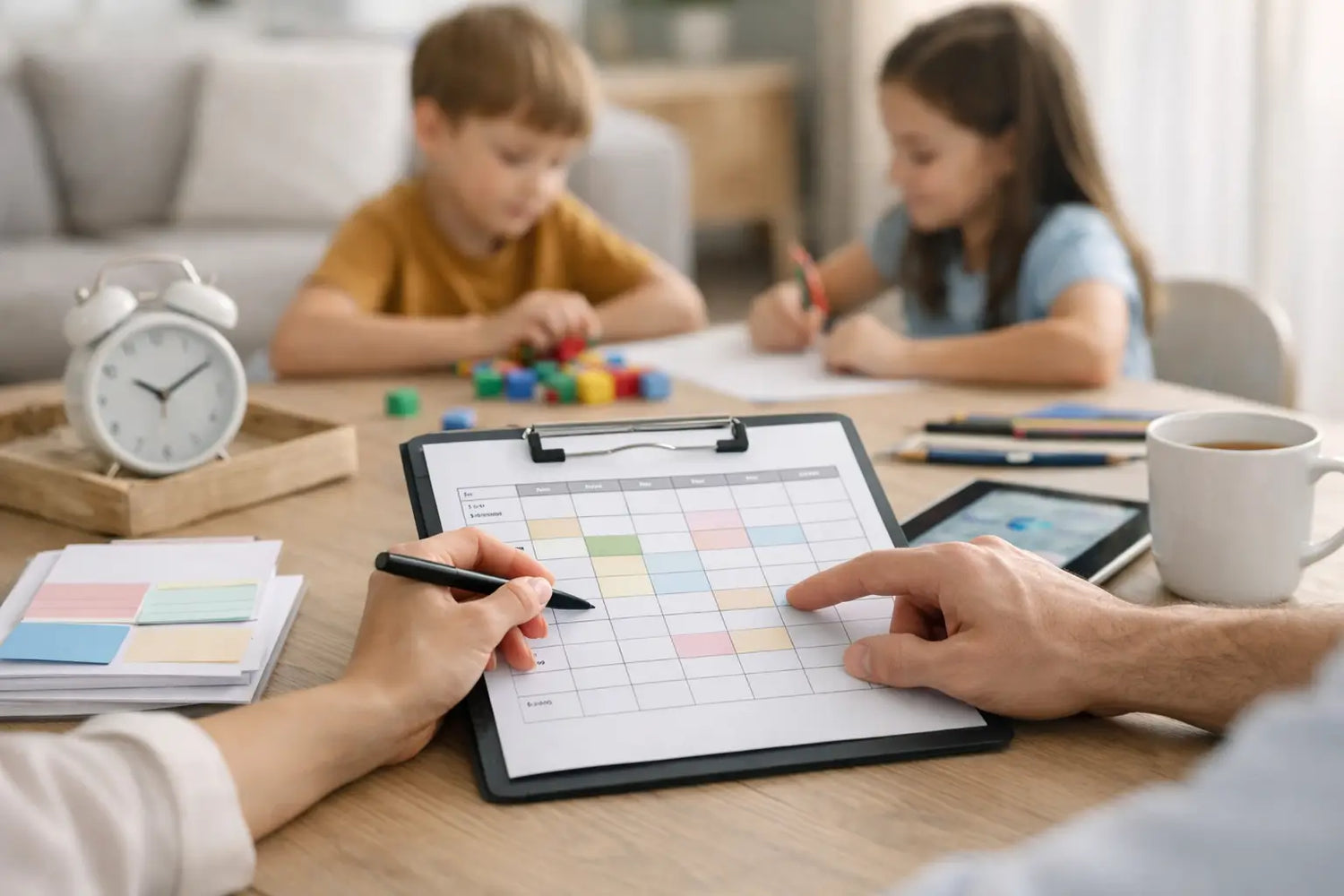
When mornings feel rushed, evenings unravel, and everyone seems to need something at once, a family routine planner printable can do more than organize a schedule. It can lower the mental load in your home. That matters because most families are not struggling from a lack of effort. They are struggling from too many moving parts, too many reminders, and too many decisions packed into the same few hours.
A printable routine planner works best when it turns repeat chaos into repeat clarity. Instead of answering the same questions every day - What happens after school? Who packs lunches? When do baths actually fit? - you create a visible rhythm your household can follow. It is simple, but simple is often what makes a routine realistic.
Why a family routine planner printable works
A lot of planners fail because they ask families to become completely different people overnight. Color-coded perfection looks nice on a screen, but real life includes sick days, forgotten shoes, emotional meltdowns, and exhausted parents who do not want another system to manage.
A family routine planner printable works because it brings structure into view. When the plan is visible, it is easier to follow. Kids know what comes next. Adults stop carrying every task in their heads. The home feels less reactive and more steady.
There is also a nervous-system benefit here. Predictable routines can help children feel safer and more cooperative, and they can help adults feel less scattered. If your days often feel like constant triage, a clear routine is not just an organizational tool. It is a calm tool.
That said, not every family needs the same kind of planner. Some households need a strict morning sequence. Others need help with after-school transitions, bedtime, or shared responsibilities. The right printable is the one that supports your pressure points, not the one that tries to run your whole life.
What to include in your family routine planner printable
The most helpful planner pages are specific enough to guide action but flexible enough to survive real life. A good place to start is by choosing one or two daily anchors instead of building an all-day master system from scratch.
For mornings, that might include wake-up time, bathroom, getting dressed, breakfast, backpacks, and leaving the house. For after school, it might include snack, homework, downtime, chores, dinner, and prep for the next day. Bedtime routines often work best with the fewest steps possible: bath or wash-up, pajamas, brush teeth, quiet activity, lights out.
Shared responsibility matters too. If one parent is silently managing everything, the routine is not really a family routine. It is one person holding the family together. A printable can make ownership visible by assigning small tasks to each person. Even young kids can participate with age-appropriate steps like putting shoes away or placing their lunchbox by the door.
If your family includes neurodivergent children or adults, visual simplicity matters even more. Too much text, too many categories, or overly crowded layouts can backfire. In those cases, fewer steps, clearer sequencing, and repeated placement in the same location tend to work better than highly detailed tracking.
How to make routines actually stick
The biggest mistake families make is trying to fix every pain point in one weekend. A better approach is to start where stress is highest. If mornings are the daily breaking point, build that first. If bedtime leaves everyone drained, begin there.
Think of your planner as a reset tool, not a performance test. The goal is not to follow every line perfectly. The goal is to reduce friction. That often means designing for the version of you that is tired, distracted, and short on time.
Start by observing your current routine for a few days. Notice what slows everyone down. Maybe breakfast runs too late. Maybe backpacks are packed at the last second. Maybe transitions are hard because no one knows what happens next. Your printable should answer those exact issues.
Then keep the sequence short. A routine with six clear actions usually works better than one with fifteen. The more steps you add, the more likely someone checks out.
Placement matters too. A planner tucked inside a drawer will not change much. Put it where the routine happens: on the fridge, by the front door, in a child’s room, or near the homework area. Visibility is part of the system.
Repetition is what turns a planner into a habit. Expect reminders at first. Expect resistance sometimes too. That does not mean the routine is failing. It usually means it is still new.
A printable planner should support your energy, not drain it
This is where many busy parents get stuck. They choose a planner that looks productive but requires constant updating, rewriting, or policing. If you have to micromanage the planner, it becomes one more job.
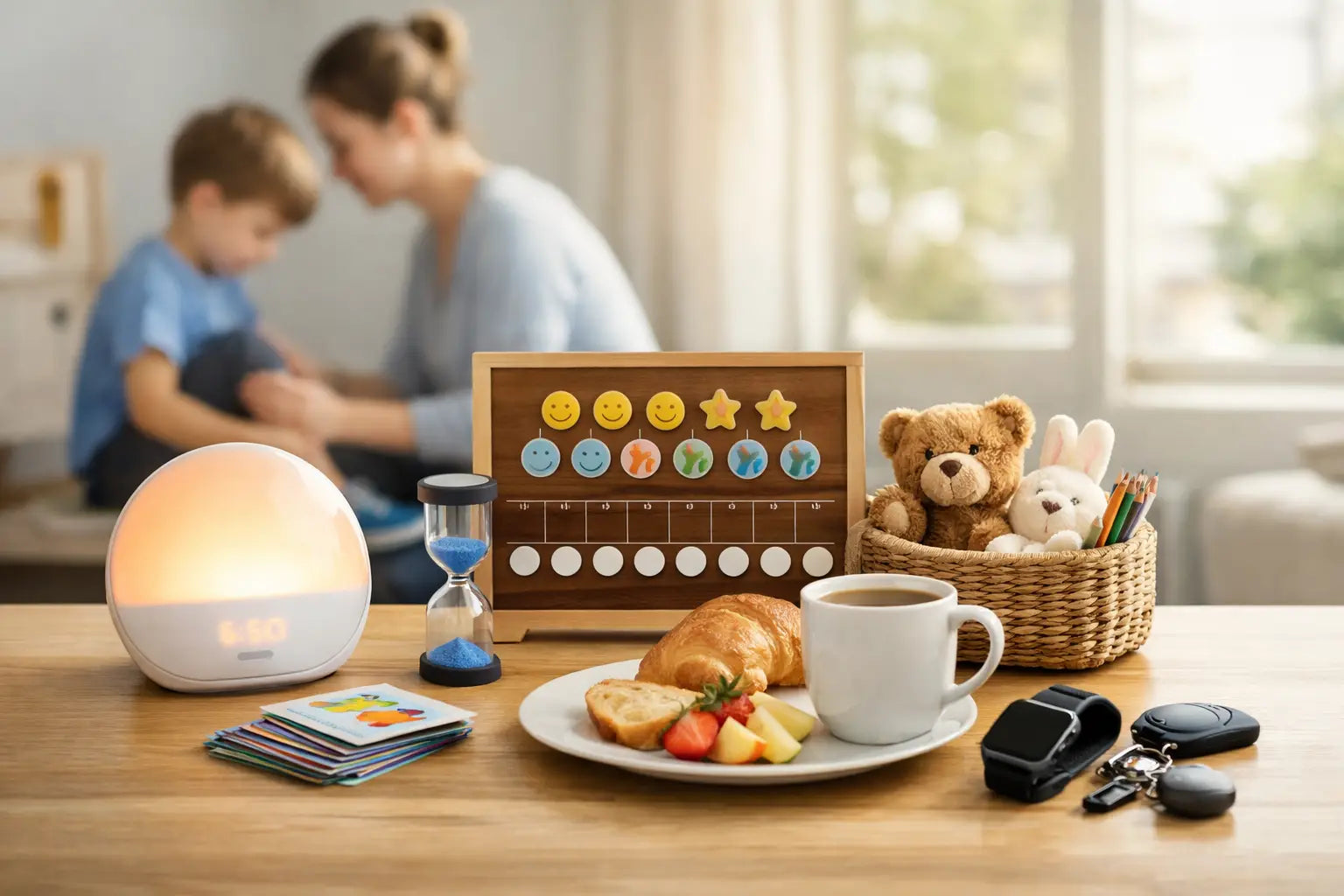
The best family routine planner printable saves energy in three ways. First, it reduces decision fatigue by making the next step obvious. Second, it creates consistency so fewer reminders are needed. Third, it gives your household a shared reference point, which cuts down on the feeling that you are the only one keeping track.
This is especially valuable during full seasons of life - back-to-school, summer transitions, new baby routines, work schedule changes, or periods when stress is already high. In those moments, families do not need more ambition. They need more support.
A simple printable can also help lower emotional friction. Children often respond better to a visual plan than repeated verbal prompting. Partners are more likely to participate when expectations are clearly laid out. The home runs with less guesswork, and that changes the tone of the day.
When to adjust your family routine planner printable
Even a great routine needs updates. Kids grow. School schedules shift. Sports start. Sleep needs change. What worked in September may feel clunky by January.
A good rule is to watch for signs of friction rather than forcing a routine that no longer fits. If one step keeps getting skipped, ask why. Maybe it is unnecessary. Maybe it belongs earlier. Maybe the routine is too long for that time of day.
You also do not need one rigid standard for every day. Many families do better with a weekday routine, a weekend version, and maybe a lighter plan for extra busy days. Flexibility is not inconsistency. It is often what helps routines last.
If your household has mixed ages, separate routine zones can help. Younger kids may need picture-based steps, while older kids do better with checklist-style independence. One planner does not have to look the same for everyone to create a calmer home.
What results to expect from using one
A family routine planner printable will not erase stress completely. It will not prevent every rushed morning or every bedtime battle. But it can create noticeable relief fairly quickly when it is built around your real patterns.
Most families start noticing small wins first. Fewer repeated reminders. Smoother transitions. Less scrambling for basic tasks. Kids begin anticipating what comes next. Parents feel less like they are carrying the full day alone.
Over time, those small wins add up to something bigger: more emotional space. When your home is not constantly reacting, you have more room for connection, patience, and recovery. That is often the real payoff. Not a picture-perfect routine, but a household that feels more grounded.
If you are already trying to support family wellness, better sleep, calmer mornings, and less overwhelm, this kind of printable is a practical place to start. It is low effort, easy to personalize, and surprisingly effective when used consistently. That is one reason tools like this fit so naturally into the NATFUL approach - they turn good intentions into everyday structure you can actually live with.
The best routine is the one your family can repeat on an ordinary Tuesday. Start there, keep it visible, and let calm come from what no longer has to be remembered.


Leave a comment
This site is protected by hCaptcha and the hCaptcha Privacy Policy and Terms of Service apply.