

That stiff, creaky feeling when you stand up after sitting too long is easy to brush off until it starts showing up every day. If you have been wondering whether collagen for joint comfort is worth adding to your routine, the short answer is: it may help, but the results usually depend on consistency, the type you take, and what else is going on in your body.
What collagen for joint comfort actually means
Collagen is the most abundant structural protein in the body. It helps give support to skin, tendons, ligaments, cartilage, and other connective tissues. When people talk about collagen for joint comfort, they are usually referring to collagen supplements designed to support the tissues around the joints, especially cartilage.
This matters because joints do not work in isolation. Comfort and mobility depend on cartilage, muscle support, tendon health, inflammation levels, movement patterns, sleep, stress, and overall nutrition. So collagen is not a magic fix. It is better understood as one supportive tool inside a bigger reset for how your body feels day to day.
For many adults, especially busy women balancing work, family, stress, and inconsistent self-care, that is actually good news. You do not need a perfect routine. You need a practical one that supports your body steadily enough to notice a difference.
How collagen may support joint comfort
Collagen supplements are typically made by breaking collagen proteins into smaller peptides that are easier to mix and absorb. Research suggests certain collagen peptides may help support cartilage health and may be associated with improved joint comfort over time, particularly when used consistently.
Why would that happen? Cartilage is made up in part of collagen, especially type II collagen. As we age, natural collagen production declines. Wear and tear, repetitive movement, high-impact exercise, hormonal changes, and chronic stress can all add to the feeling that your joints are less forgiving than they used to be.
Supplementing with collagen may provide building blocks that support connective tissue. Some studies also suggest collagen can stimulate the body’s own collagen-related processes. That does not mean every product works the same way, and it does not mean everyone feels dramatic results. But for some people, especially those with mild exercise-related discomfort or age-related stiffness, collagen can be a useful part of a broader wellness plan.
Which type of collagen is best for joints?
This is where labels can get confusing fast. Not all collagen products are aimed at the same goal.
Type I and type III collagen are commonly used in beauty-focused supplements because they are major components of skin, hair, nails, and other tissues. They can still be part of a whole-body collagen routine, but when joint comfort is the priority, type II collagen often gets the most attention because it is the primary collagen found in cartilage.
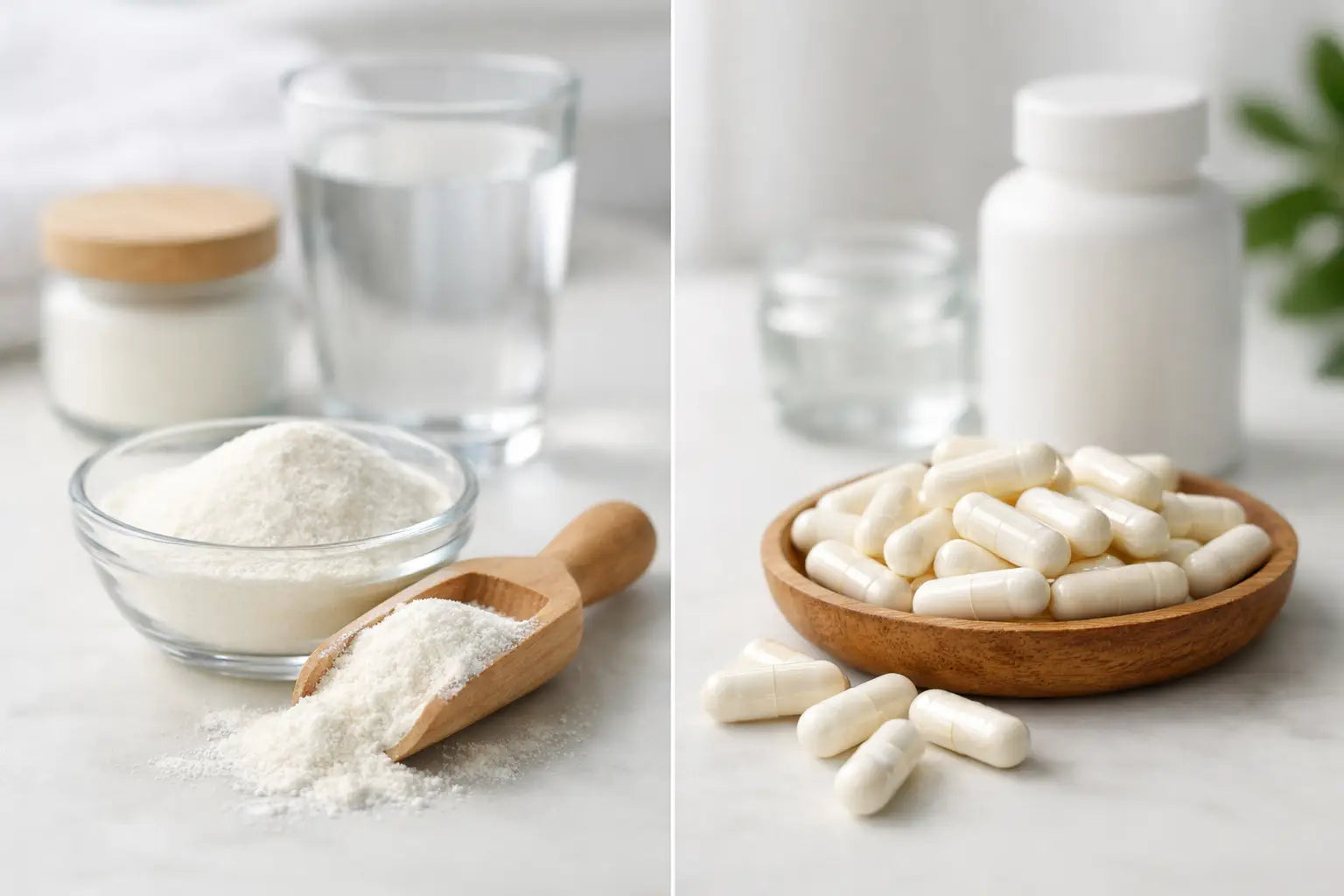
You may also see two main supplement formats. Hydrolyzed collagen peptides are broken down into small pieces and often come as powders. Undenatured type II collagen is used in smaller doses and is often sold in capsules. Both can appear in joint-support products, but they work a little differently and are studied in different ways.
If your main goal is beauty and joint support together, a multi-collagen or collagen peptide product may make sense. If your goal is more specifically centered on cartilage and joint comfort, type II collagen may be worth looking at first. It depends on what outcome matters most to you.
What results can you realistically expect?
This is the part most people want simplified. Collagen is not like taking a pain reliever and feeling different in an hour. It works more like a background support habit. You are giving your body steady input over time, not forcing an instant change.
Some people notice less stiffness after a few weeks. Others need two to three months of daily use before they can tell whether it is helping. The changes are often subtle at first. You might notice the stairs feel easier, your morning movement feels smoother, or your post-workout recovery feels less annoying.
That said, there are trade-offs. If your joint discomfort is driven mostly by injury, autoimmune disease, advanced arthritis, poor footwear, hypermobility, under-muscled support, or inflammatory lifestyle patterns, collagen alone may not move the needle much. It can still have a place, but it should not carry the whole burden.
A realistic goal is not perfect joints. It is more comfort, less friction, and better day-to-day function.
How to make collagen for joint comfort part of a routine
The best supplement routine is the one you can repeat without overthinking it. If you already have enough mental tabs open, this matters more than people admit.
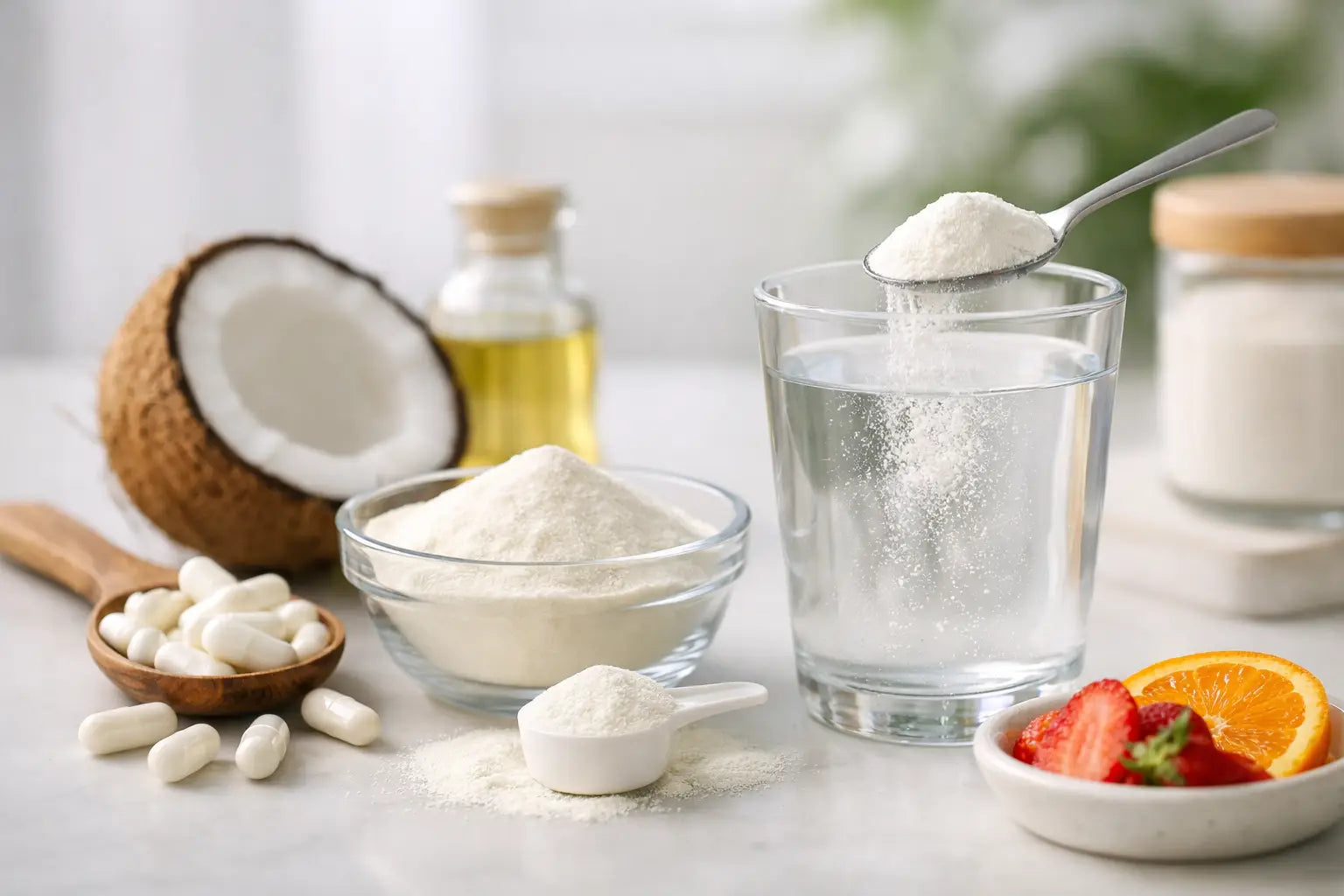
Start by choosing a format that fits your real life. If you like simple morning habits, a powder stirred into coffee, tea, or a smoothie can work well. If you are often out the door early or do better with grab-and-go habits, capsules may feel easier.
Then give it enough time. A fair trial is usually at least 8 to 12 weeks of consistent use. Taking collagen three times one week and forgetting it the next is not a good test. If you want real-life results, consistency wins over intensity.
It also helps to pair collagen with supportive basics. Vitamin C matters because the body uses it in collagen formation. Protein intake matters because joints are supported by the muscles around them, not just cartilage. Hydration matters because tissues do better when your body is not running dry. Gentle strength training and regular walking can also do more for joint comfort than many people expect.
A simple framework looks like this: take your collagen daily, eat enough protein, include vitamin C-rich foods, move your joints regularly, and pay attention to sleep and stress. It is not glamorous, but it is effective.
Signs a collagen product is worth considering
You do not need the most expensive tub on the internet. You do want a product that is clear about what kind of collagen it contains and how much you are getting per serving.
Look for straightforward labeling, a sensible serving size, and a formula that matches your goal. If the product is marketed for joints, it should tell you whether it contains collagen peptides, type II collagen, or a blend. Bonus points if it avoids turning a simple supplement into a chemistry project full of unnecessary fillers.
This is also where your preferences matter. If a powder tastes strange, clumps, or disrupts your routine, you are less likely to keep using it. Wellness support should feel doable, not like one more thing to manage.
For a brand like NATFUL, that real-life usability piece is not extra. It is the whole point.
When collagen may be especially helpful
Collagen may be a smart add-on if you are noticing age-related stiffness, getting back into exercise, recovering from the impact of repetitive movement, or trying to support both beauty and body comfort in one routine. It can also appeal to people who want a gentle, natural-feeling option before jumping straight to a more aggressive supplement stack.
It may be especially appealing during life phases when your body feels less resilient than it used to. Many women notice shifts in joint comfort alongside hormonal changes, changes in recovery, or periods of chronic stress. In those seasons, a simple daily support habit can feel grounding as well as physically helpful.
That does not make collagen a substitute for medical care. If your pain is severe, sudden, one-sided, visibly swollen, or affecting daily function in a major way, it is worth getting checked out. Supportive wellness habits work best when they are paired with the right level of care.
The bottom line on collagen for joint comfort
Collagen can be a helpful tool for joint comfort, especially if your goal is to feel a little less stiff, support cartilage over time, and create a routine that helps your body feel more supported overall. It is not an overnight fix, and it is not the whole story. But when the product matches your needs and you use it consistently, it can be one of those small daily habits that adds up.
If you are tired of feeling like your body needs more support than your schedule allows, start simple. Choose a collagen you will actually take, give it time, and build around it with a few steady habits your joints will thank you for. Sometimes feeling more in control starts with something this basic.

Leave a comment
This site is protected by hCaptcha and the hCaptcha Privacy Policy and Terms of Service apply.