
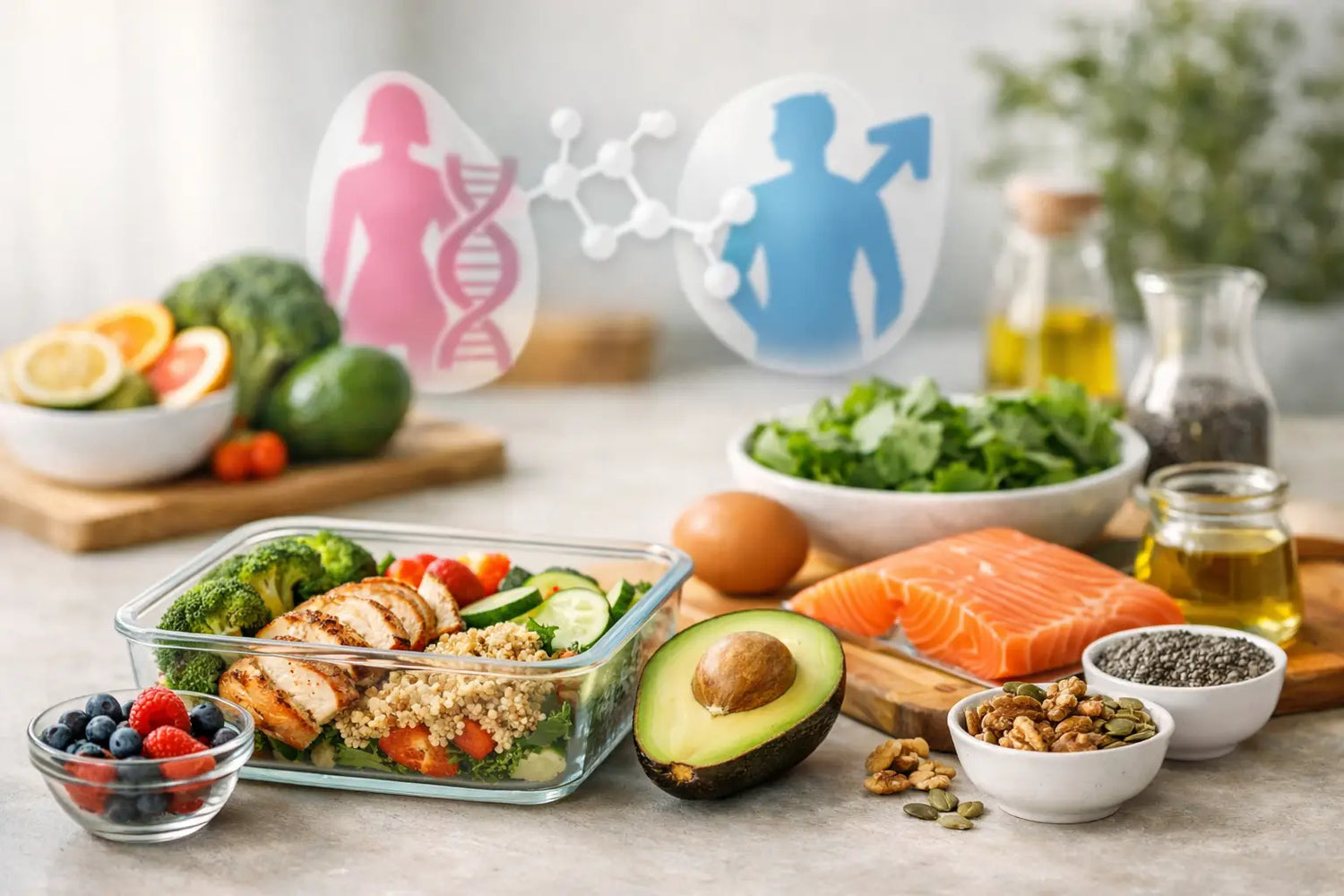
Your 3 p.m. snack craving is not a character flaw. Neither is feeling wildly hungry by dinner, reaching for coffee after a restless night, or having no patience left to decide what to cook. Meal planning for hormone health is less about eating perfectly and more about creating a rhythm your body can count on - especially during busy weeks when your energy, focus, and mood already feel stretched.
Hormones respond to far more than food, including sleep, stress, movement, medication, life stage, and health conditions. But consistent, satisfying meals can support steadier blood sugar, better digestion, and the kind of calm that comes from knowing dinner is handled. The goal is not a restrictive plan. It is a realistic reset for your kitchen and your nervous system.
What hormone-supportive meals actually look like
A hormone-friendly plate does not require specialty powders, complicated tracking, or cutting out every food you enjoy. For most people, the useful starting point is a balanced meal that includes protein, fiber-rich carbohydrates, colorful produce, and satisfying fats.
Protein helps meals keep you full and can soften the energy crash that often follows a carb-only breakfast or snack. Fiber supports digestion and helps slow the rise of blood sugar after eating. Fats add flavor, satisfaction, and help your body absorb fat-soluble nutrients. Carbohydrates are not the enemy here - they are an important energy source, especially when paired with protein and fat.
Think eggs with whole-grain toast, berries, and avocado. Think a rice bowl with salmon or tofu, roasted vegetables, and a creamy tahini sauce. Think pasta with chicken or lentils, spinach, olive oil, and Parmesan. These are normal foods arranged in a way that helps you feel more grounded afterward.
There is no single meal plan that balances hormones for everyone. Someone managing PCOS, perimenopause symptoms, thyroid disease, diabetes, endometriosis, or food allergies may need tailored support from a registered dietitian or clinician. Still, a simple, consistent foundation is useful for many people.
Start meal planning for hormone health with your real schedule
The best plan is not the one that looks impressive on Sunday. It is the one you can follow when you get home late on Wednesday, your child has a meltdown, or your brain simply cannot make another decision.
Before choosing recipes, look at the week ahead. Circle the nights you have time to cook, identify the nights you need a 10-minute meal, and plan for one flexible leftovers night. This single step prevents the common mistake of buying ingredients for seven ambitious dinners and then feeling guilty when half of them go unused.
Choose two breakfasts, two lunches, and three dinners to repeat or rotate. Repetition is not boring when it protects your energy. It is a form of support. If you love variety, change the sauce, produce, or protein rather than rebuilding the entire plan from scratch.
A helpful weekly rhythm might look like this: make one breakfast option ahead, prep one protein, wash and chop a few vegetables, and keep two easy freezer or pantry meals available. You are not preparing every bite you will eat. You are reducing the number of decisions standing between you and a nourishing meal.
Build each meal around an anchor protein
When life gets busy, protein is often the piece that gets missed. A muffin, a piece of fruit, or a bowl of cereal may be quick, but it can leave some people hungry again an hour later. Start by choosing the protein you realistically enjoy and will prepare.
Options can include eggs, Greek yogurt, cottage cheese, chicken, turkey, fish, shrimp, tofu, tempeh, edamame, beans, lentils, or a convenient protein smoothie. You do not need to eat the same source every day. The goal is simply to make protein visible in your plan instead of hoping it appears by accident.
For breakfast, try overnight oats made with Greek yogurt and chia seeds, or eggs with leftover roasted potatoes and fruit. For lunch, use a pre-cooked protein in a grain bowl, wrap, salad, or snack plate. At dinner, build around a sheet-pan protein or a quick skillet meal before adding the extras.
Add fiber without turning food into a project
Fiber is one of the quiet heroes of a steadier routine, yet it is easy to under-eat when meals are rushed. Instead of forcing yourself into foods you dislike, add one fiber source at a time: berries in yogurt, beans in soup, spinach in eggs, vegetables alongside pasta, or a pear with an afternoon snack.
Aim for a mix of fruits, vegetables, legumes, whole grains, nuts, and seeds across the week. If you are not used to eating much fiber, increase it gradually and drink enough water. Going from very little fiber to a huge salad and a bowl of beans overnight can leave you more bloated, not better.
A simple formula for calmer meals
When you do not have a recipe, use this formula: protein + fiber-rich carb + produce + fat or flavor.
For example, a rotisserie chicken, microwavable brown rice, bagged salad, and olive-oil-based dressing can become dinner in minutes. Black beans, frozen corn, salsa, avocado, and tortillas make an easy meatless option. Tuna or chickpeas mixed with olive oil, lemon, and crunchy vegetables can become a sandwich, wrap, or snack plate.
Flavor matters. If food feels bland or overly “healthy,” the plan will not last. Keep a few sauces and seasonings you genuinely love, such as pesto, salsa, hummus, tahini, marinara, curry paste, garlic, lemon, or shredded cheese. Satisfaction is part of consistency.
Plan snacks for the moments that usually unravel
Snacks do not need to be earned, and they are not a failure of willpower. They can be a practical bridge between meals, particularly if lunch is early, dinner is late, or your body needs more fuel around activity or certain points in your cycle.
The most satisfying snacks usually combine at least two elements. Try an apple with peanut butter, yogurt with berries and walnuts, crackers with cheese and turkey, or hummus with vegetables and pita. A sweet snack can fit too. Pairing a cookie or chocolate with a more substantial snack may help you enjoy it without feeling like you need to keep searching for more food afterward.
Keep a few options where you need them: in your work bag, car, desk, or freezer. Planning for hunger is more effective than trying to out-discipline it.
Your low-effort hormone health grocery list
A supportive grocery list should make weekday meals easier, not create pressure to cook from scratch. Keep a core set of flexible foods and add what sounds good that week.
- Proteins: eggs, Greek yogurt, chicken, canned fish, tofu, beans, or lentils
- Fiber-rich carbs: oats, whole-grain bread, potatoes, rice, quinoa, pasta, tortillas, or beans
- Produce: berries, bananas, leafy greens, baby carrots, frozen vegetables, salad kits, and whatever is in season
- Satisfying fats and flavor: avocado, olive oil, nuts, seeds, cheese, hummus, sauces, herbs, and spices
Notice patterns, not perfection
Use your plan as a gentle experiment. After a week or two, ask yourself a few useful questions: Did breakfast keep me full? When did cravings feel strongest? Did I have enough food available on my busiest days? Which meals made me feel energized, and which ones left me uncomfortable or still hungry?
This is more helpful than labeling foods as good or bad. You may find that a higher-protein breakfast helps your afternoon focus, or that you need a more substantial lunch before a long commute. You may also notice that stress and sleep affect your appetite just as much as what is on your plate. That awareness helps you adjust with compassion instead of starting over every Monday.
If you have missed periods, severe fatigue, rapid weight changes, new facial hair growth, intense menstrual pain, or ongoing digestive symptoms, food planning is not a substitute for medical care. Bring those changes to a qualified healthcare professional.
Your next meal does not need to be perfect to be supportive. Pick one protein, add a color, include a carb you enjoy, and make it easy enough to repeat. A calmer week often starts with that small decision.


Leave a comment
This site is protected by hCaptcha and the hCaptcha Privacy Policy and Terms of Service apply.