
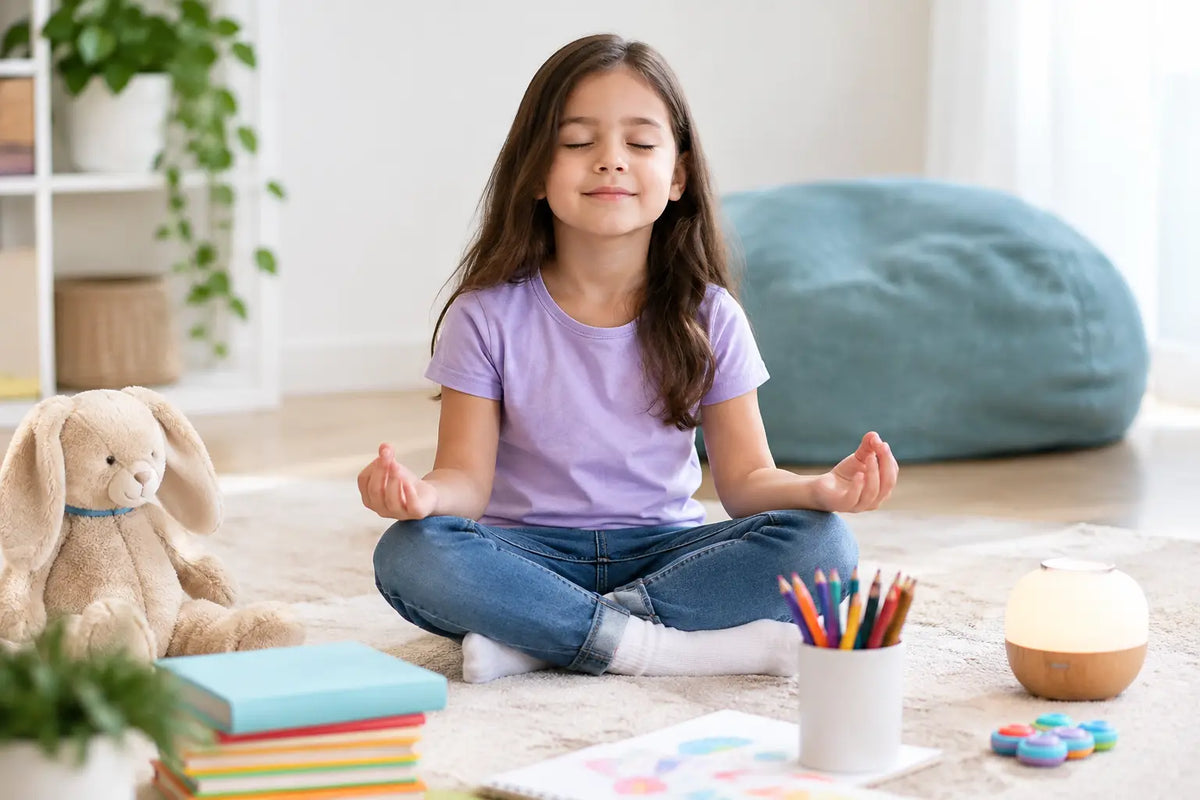
The hard moment rarely arrives at a convenient time. It can happen in the school pickup line, halfway through dinner, or 10 minutes before bed when everyone is already running on empty. The best calming activities for kids are not meant to make feelings disappear. They give a child a safe, repeatable way to reset their body, name what is happening, and feel more in control.
A calm-down tool works best when it is simple enough to use before a child reaches their limit. Think of these activities as practice, not punishment. You are helping your child build a lifelong skill: noticing stress and responding with care.
How to Choose Calming Activities That Actually Help
There is no one activity that works for every child or every meltdown. Some kids settle through movement, while others need less noise, less talking, and a cozy place to land. A child who is hungry, overtired, sick, or overstimulated may need their basic needs met before any calming strategy feels effective.
Start by noticing patterns. Does your child unravel after school, after a noisy outing, during transitions, or when plans change? Try one or two activities during neutral moments first. Practicing when your child is already calm makes the tool much easier to reach for when emotions run high.
12 Best Calming Activities for Kids to Try
1. Make a five-minute cozy corner
A calming corner does not need to be a picture-perfect playroom setup. A soft blanket, a pillow, a few books, and a basket of quiet items can be enough. The goal is not isolation. It is a predictable place where your child can reset with support nearby.
For younger children, sit close and say less than you think you need to. A simple, steady line such as, “Your body is having a hard time. I’m here,” often lands better than a long explanation.
2. Try balloon breathing
Invite your child to place both hands on their belly. Breathe in slowly as if they are filling a big balloon, then breathe out slowly as if they are letting the air go without popping it. Three slow breaths are plenty.
Some children find direct breathing instructions irritating when they are upset. If that is your child, use play instead: blow an imaginary bubble, cool down pretend hot cocoa, or make a pinwheel spin.
3. Use a sensory scavenger hunt
A sensory reset brings attention back to the present. Ask your child to find five things they can see, four things they can touch, three things they can hear, two things they can smell, and one thing that feels comforting.
Keep it flexible. For preschoolers, make it even simpler: “Can you find something blue? Something soft? Something that makes a quiet sound?” This can be especially helpful after crowded, loud, or unpredictable environments.
4. Offer heavy-work movement
Many kids regulate more easily after pushing, pulling, carrying, or climbing. Have them push against a wall, carry a small basket of laundry, help move couch cushions, do animal walks down the hallway, or pull a wagon outside.
This is not about wearing a child out. It is about giving their body organized input that can feel grounding. If your child gets more energized with movement, follow it with a quieter activity rather than adding more physical play.
5. Create a calm-down playlist
Choose a short playlist with gentle, familiar songs your child likes. Music can create a clear transition between a busy day and a quieter evening, especially when it becomes part of the same routine each day.
Some children need instrumental music, while others are comforted by singing along. Let their response guide you. If music adds stimulation, try soft nature sounds or a few minutes of silence instead.
6. Color without a goal
Put out crayons, markers, colored pencils, or washable paint and skip the instructions. Coloring, drawing shapes, or filling a page with one color gives busy hands something steady to do while the nervous system slows down.
Avoid turning this into a performance. The benefit is in the process, not the final picture. You can join them, quietly making your own page, which often feels more connecting than asking them to talk right away.
7. Give them a cold sensory reset
Cool sensations can help some children shift out of an intense emotional state. Offer a cool washcloth for the face, a drink of cold water through a straw, or a bowl of cool water for dipping hands.
Use this as an invitation, never a surprise. Sensory preferences are personal, and what feels refreshing to one child can feel uncomfortable to another.
8. Read the same comforting book
Familiar books lower the demand on an already overloaded brain. Your child knows what happens next, recognizes the pictures, and can relax into a predictable rhythm. Choose something gentle, not a high-energy story that invites more excitement.
For older children, this might look like rereading a favorite graphic novel, listening to an audiobook, or reading silently beside you. Connection does not always require conversation.
9. Try the squeeze-and-release game
Ask your child to squeeze their hands into tight fists, raise their shoulders toward their ears, or curl up small like a bug. Hold for a few seconds, then slowly release. Repeat two or three times.
This helps children notice the difference between tension and softness in their bodies. Keep the language light: “Let’s make our robot muscles stiff, then turn into noodles.”
10. Use a feelings check-in with choices
When a child is upset, open-ended questions can feel too big. Instead of asking, “What’s wrong?” offer a few choices: “Do you feel mad, worried, sad, tired, or something else?” You can use faces, colors, or a simple feelings chart if that helps.
The point is not to get a perfect answer. Naming even a small piece of the experience can make it feel less overwhelming. If they do not want to answer, respect that and stay available.
11. Slow down with a simple hands-on task
Repetitive tasks can be surprisingly calming. Try kneading play dough, sorting buttons by color, peeling stickers, threading large beads, watering a plant, or folding washcloths together.
Choose activities that are safe and match your child’s age. A task should feel achievable, not like another demand after a hard day. The quiet sense of “I can do this” matters.
12. Take a no-pressure nature break
Step outside for five minutes, even if you only stand on the porch or sit by an open window. Notice the temperature, watch clouds move, listen for birds, or look for tiny details in a tree.
Nature does not have to become a big family outing to be useful. A short change of scenery can interrupt the cycle of escalating feelings and help everyone reset.
Build a Calm Routine Before the Big Feelings
The most helpful routines are small enough to repeat. You might create a three-step after-school reset: snack, 10 minutes of movement, then quiet coloring or reading. For bedtime, it may be bath, cozy pajamas, a familiar book, and balloon breathing.
Let your child help choose the tools when they are feeling good. A child is more likely to use a calm corner, playlist, or sensory item when it feels like theirs rather than something imposed on them. Keep a few options visible, but do not overwhelm them with too many choices.
It also helps to regulate your own pace. You do not need to be perfectly calm to support your child, but a lower voice, slower movements, and fewer words can signal safety. If you are overwhelmed too, it is okay to pause, take a breath, and return to the moment with a steadier plan.
When a Calming Activity Is Not Enough
Frequent, intense distress does not mean you have failed as a parent or that your child is being difficult. It may be a sign that they need more support with anxiety, sensory processing, sleep, attention, learning challenges, or difficult changes at home or school.
Consider speaking with your child’s pediatrician or a qualified mental health professional if big reactions are interfering with school, friendships, sleep, or daily family life. Practical tools and professional support can work together.
You are not trying to raise a child who never gets upset. You are creating small, steady moments that teach them: feelings can be big, help is available, and calm can be practiced one reset at a time.


Leave a comment
This site is protected by hCaptcha and the hCaptcha Privacy Policy and Terms of Service apply.