
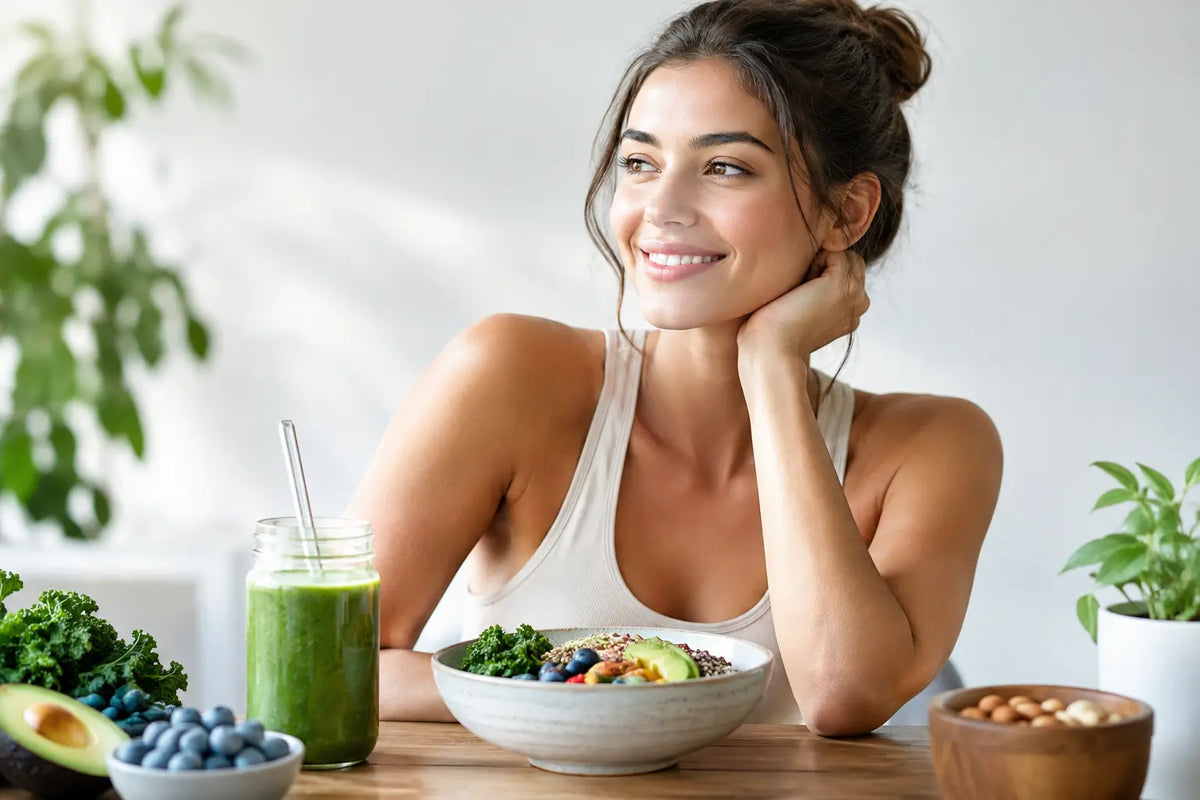
Your skin can look tired after a week of poor sleep, rushed meals, and nonstop mental tabs open in your head. That is why beauty from within trends are gaining real traction: people want routines that support how they feel, not just what they can cover up. The most useful shift is not another complicated wellness checklist. It is learning which daily inputs help you feel calmer, more nourished, and more like yourself.
For busy adults, the appeal is obvious. A beauty routine that asks for 12 new products and an hour of free time is unlikely to survive real life. A routine built around steady meals, stress support, sleep, hydration, and a few targeted tools has a better chance of becoming a true reset.
Beauty From Within Trends Are Becoming More Practical
The old version of wellness often looked highly polished and hard to maintain. Think expensive treatments, strict food rules, and perfectly curated morning routines. The newer beauty-from-within mindset is more grounded. It connects visible concerns such as dull-looking skin, puffiness, brittle nails, and breakouts with the basics that influence the whole body: nourishment, recovery, digestion, hormones, and emotional regulation.
That does not mean every skin concern comes from stress or food. Genetics, medical conditions, medications, allergies, and skincare products all matter. But lifestyle patterns can affect how you feel in your body and how your skin appears. When your nervous system is constantly switched on, sleep is shortened, or meals are inconsistent, it can be harder to feel energized and balanced.
The trend worth keeping is the move away from chasing perfection. Instead, people are looking for small practices that create noticeable real-life results: fewer afternoon crashes, a calmer bedtime routine, meals that do not leave them ravenous an hour later, and a little more confidence when they look in the mirror.
Stress support is now part of a beauty routine
Stress is not only a mindset issue. It can show up in your habits. You may skip lunch, over-caffeinate, pick at your skin, lie awake replaying conversations, or lose the energy to make the choices that usually help you feel good. Beauty from within increasingly includes regulation because calm is a practical foundation for consistency.
A five-minute pause will not erase a stressful job, parenting pressure, or a packed calendar. It can, however, create a transition point. Before reaching for another coffee or scrolling late at night, try a simple reset: drink water, take a few slower breaths, and ask what would support you for the next hour. Sometimes the answer is protein and a proper meal. Sometimes it is stepping outside. Sometimes it is going to bed before the second wind arrives.
This is where a guided journal or short reset plan can be more useful than vague advice. NATFUL's approach centers on turning overwhelm into a few clear next steps, so wellness feels supportive rather than like another task to manage.
Nutrition is moving beyond restrictive rules
The beauty-from-within conversation has also become more nutrition-aware, with a welcome emphasis on adding rather than eliminating. Instead of building your day around what you should avoid, start with what helps you stay steady: enough protein, fiber-rich plants, satisfying fats, and regular hydration.
Protein supports many normal body functions and can make meals more filling. Colorful fruits and vegetables bring a range of nutrients and fiber. Healthy fats help make meals satisfying. None of these are magic foods, and no single ingredient guarantees clear skin or thicker hair. Their value comes from the pattern you repeat most days.
If you are managing hormone-related symptoms, digestive concerns, or a health condition, broad wellness advice may not be enough. A registered dietitian or qualified clinician can help you sort through what fits your needs. The goal is not to diagnose yourself from social media. It is to build a nourishing routine without fear, confusion, or unnecessary restriction.
The Trends to Treat With a Little Caution
Some beauty from within trends are genuinely helpful. Others package familiar basics in expensive language. The difference often comes down to the promise being made.
Supplements can be useful in specific situations, especially when they address a confirmed nutrient gap or a clinician-recommended need. But a supplement is not a substitute for meals, sleep, or medical care. Be cautious with products that promise rapid detoxes, dramatic hormone “balancing,” instant glow, or a cure for complex symptoms. More is not always better, particularly with vitamins and herbs that can interact with medications or be inappropriate during pregnancy or breastfeeding.
Gut health is another area where nuance matters. Supporting digestion with regular meals, fiber, fluids, movement, and stress management can be worthwhile. Yet bloating, pain, major bowel changes, or unintentional weight loss deserve medical attention, not a random cleanse.
Wearables and health tracking can also help some people notice patterns in sleep, movement, and stress. For others, constant data becomes another source of pressure. If tracking makes you feel more anxious or rigid, use a simpler measure: How is your energy? Are you sleeping better? Do your routines feel more manageable? The best tool is the one that supports your life rather than taking it over.
A Four-Part Routine That Fits Real Life
You do not need to adopt every trend. Choose a small framework you can repeat through busy weeks, family obligations, travel, and low-energy days.
Nourish early. Build one reliable breakfast or first meal that includes protein and fiber. It could be eggs with toast and fruit, Greek yogurt with berries and nuts, or a savory leftover bowl. The exact meal matters less than reducing the cycle of running on caffeine until you are depleted.
Protect your afternoon. Keep water nearby and plan a satisfying snack or lunch before you are overly hungry. A short walk, stretch, or screen break can also reduce the feeling that the entire day is happening to you.
Create a soft landing at night. Pick one cue that tells your brain the day is winding down: dimmer lights, a shower, a cup of tea, a journal page, or putting your phone outside the bedroom. You are not aiming for a flawless nighttime routine. You are making sleep easier to choose.
Notice, then adjust. Once a week, check in on what felt good and what created friction. Maybe your skin feels drier when you forget water. Maybe your mood is more stable when lunch is not an afterthought. Maybe your current skincare is irritating you. Patterns are useful when they lead to compassionate adjustments, not self-criticism.
What a More Honest Glow-Up Looks Like
The most meaningful beauty shifts are often quiet. You stop treating exhaustion as normal. You make food choices that support your schedule instead of fighting it. You learn that feeling regulated can be more valuable than following the newest viral routine.
There is room for skincare, makeup, supplements, and treatments if you enjoy them. There is also room for hard seasons, imperfect habits, and bodies that need more support than a wellness trend can provide. Beauty from within works best when it is not another standard to meet. Let it be a way to check in, care for your energy, and build a routine that helps you feel at home in yourself.


Leave a comment
This site is protected by hCaptcha and the hCaptcha Privacy Policy and Terms of Service apply.